WHISPER: SALON
Sharon Lee’s practice explores the intersections of personal memory, cultural history, and the instability of images. Working across photography, archival imagery, and material experimentation, she considers how images carry—and distort—ideas of place, identity, and belonging.
As a child, Sharon Lee repeatedly watched a VHS tape of The Wizard of Oz while learning “Somewhere Over the Rainbow” for a play. Over time, the tape began to deteriorate. In the film’s poppy field scene—where Dorothy falls into a deep sleep, interrupting her journey home—the degraded footage transformed the field into a storm of glitches, the image breaking down at a moment suspended between danger and return.
These damaged frames became a point of departure for Poppy Field, connecting childhood memory with an enduring longing for home and the instability surrounding its disappearance. Moving between media culture, political history, and personal memory, the work considers the poppy as both image and historical symbol.
The work also draws on “poppy tears,” a historical term for opium referring to the tear-like latex that seeps from cuts made into a poppy pod. Bringing together organic and industrial materials, Poppy Field explores how nature has been instrumentalized as a means of control within histories of war and imperial expansion.
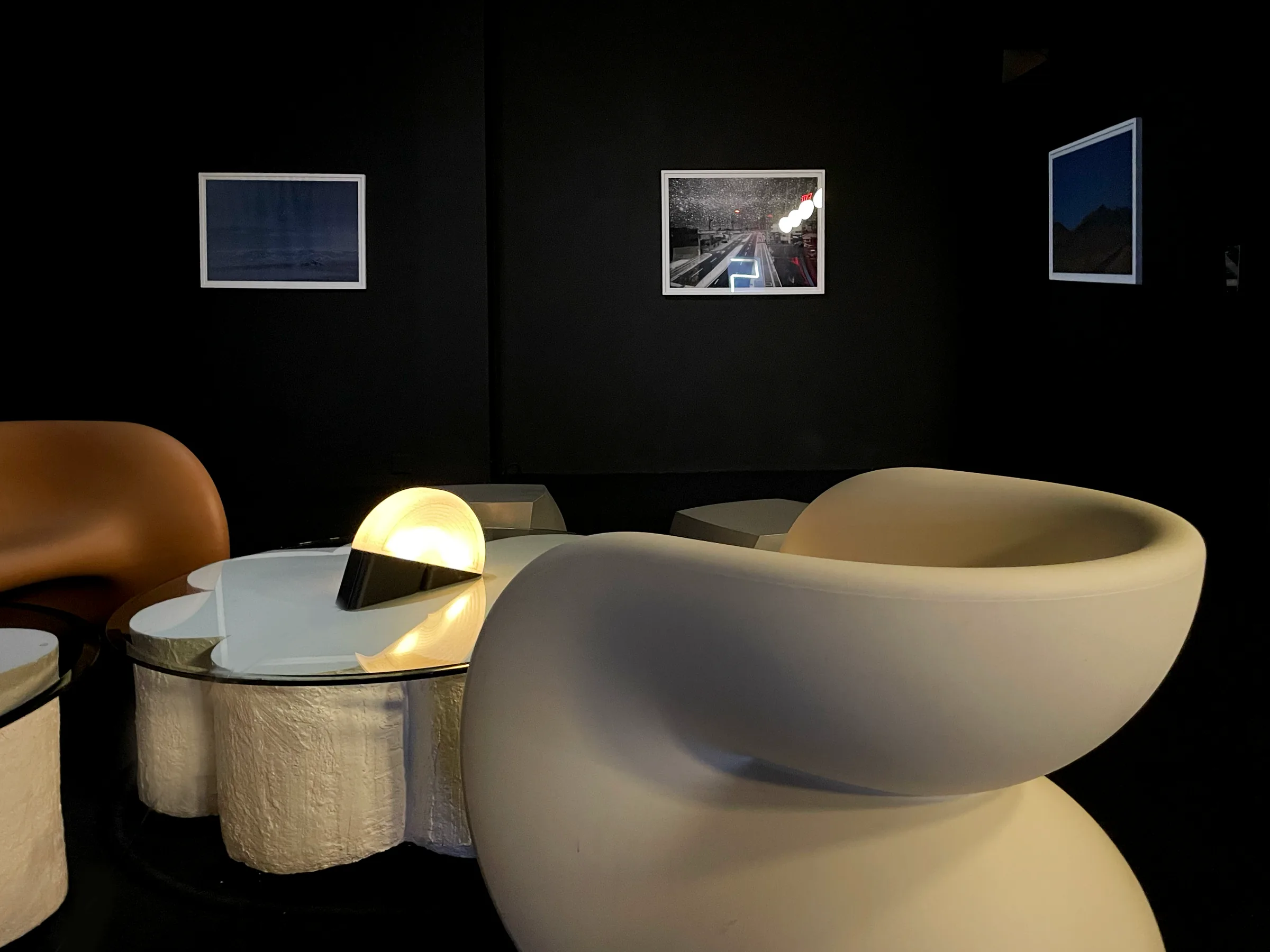
Whanki Min’s photographic practice began after the death of his closest friend in college, leading him to reflect on mortality, the afterlife, and eternity. Fascinated by stars whose light can travel for thousands or millions of years—even after the stars themselves have died—Min approaches light as both a trace of past existence and a symbol of life continuing across time. His work explores the relationship between the cosmos, nature, and ordinary human life.
Influenced by experimental Japanese photographers such as Daido Moriyama and Daisuke Yokota, Min uses unconventional film-developing techniques to create unusual colors, textures, and abstract forms. Combining astrophotography, documentary images, landscapes, architecture, and materials from his archive, he layers and rephotographs images until they begin to transform and deteriorate. Through this process, Min expands photography beyond documentation, using it to reflect on memory, impermanence, and the possibility of transformation.
Whanki Min’s photographic practice began after the death of his closest friend in college, leading him to reflect on mortality, the afterlife, and eternity. Fascinated by stars whose light can travel for thousands or millions of years—even after the stars themselves have died—Min approaches light as both a trace of past existence and a symbol of life continuing across time. His work explores the relationship between the cosmos, nature, and ordinary human life.
Influenced by experimental Japanese photographers such as Daido Moriyama and Daisuke Yokota, Min uses unconventional film-developing techniques to create unusual colors, textures, and abstract forms. Combining astrophotography, documentary images, landscapes, architecture, and materials from his archive, he layers and rephotographs images until they begin to transform and deteriorate. Through this process, Min expands photography beyond documentation, using it to reflect on memory, impermanence, and the possibility of transformation.
Featuring Sharon Lee & Whanki Min
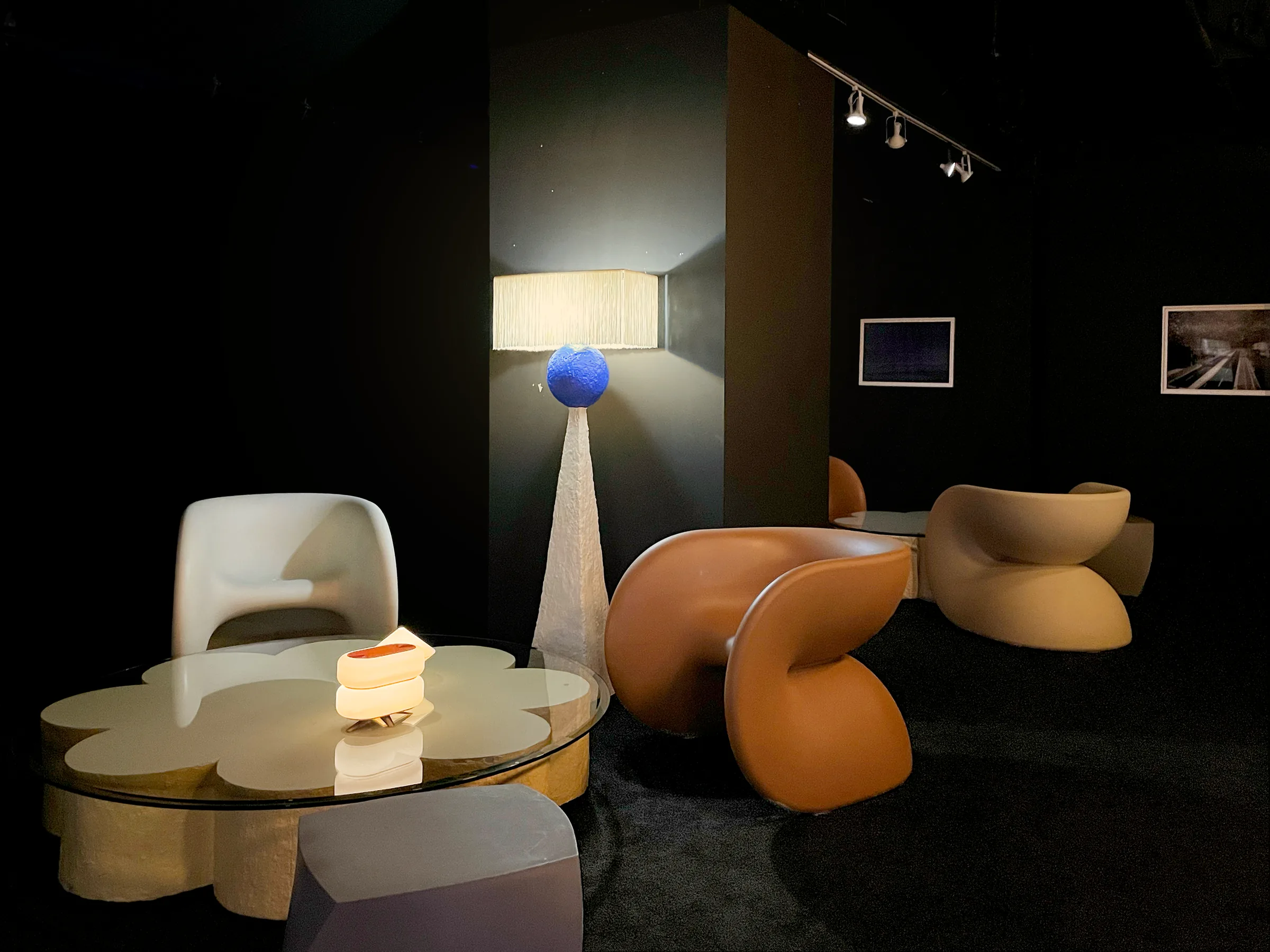
Within reSOUND New York, WHISPER: Salon is a project space that returns for its second edition. Following a first exhibition of seven Korean artists, it now brings together the practices of Sharon Lee and Whanki Min within a shared environment. Originally conceived as a space for sensory engagement and social interaction, WHISPER is reactivated as a salon where distinct artistic voices exist in proximity.
Moving across photography, image, material, and light, the works explore memory, perception, and transformation through different perspectives. WHISPER: Salon invites visitors to slow down, linger, and encounter the dialogue that emerges between individual works and the space they share.
Sharon Lee
Poppy Field
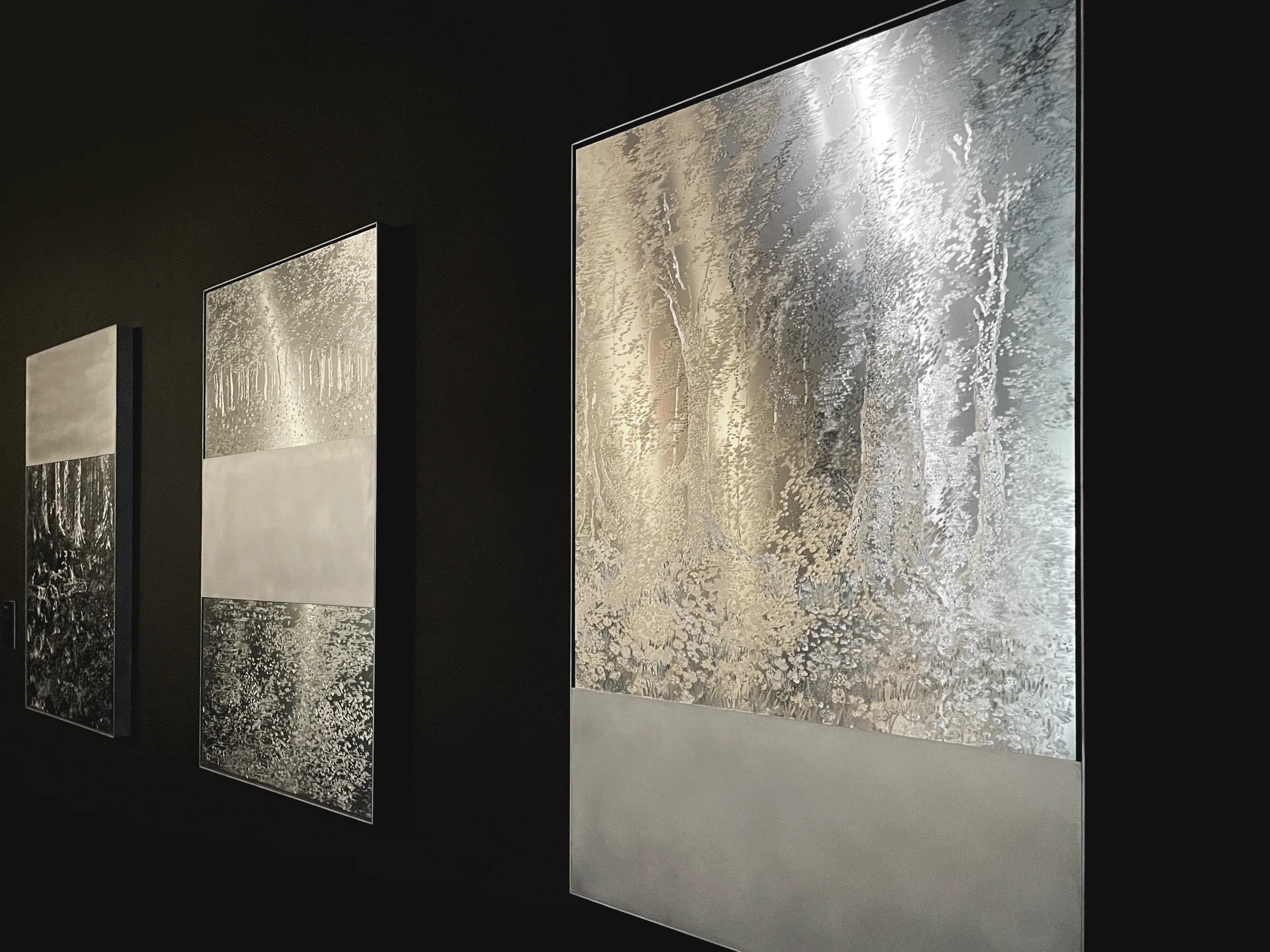
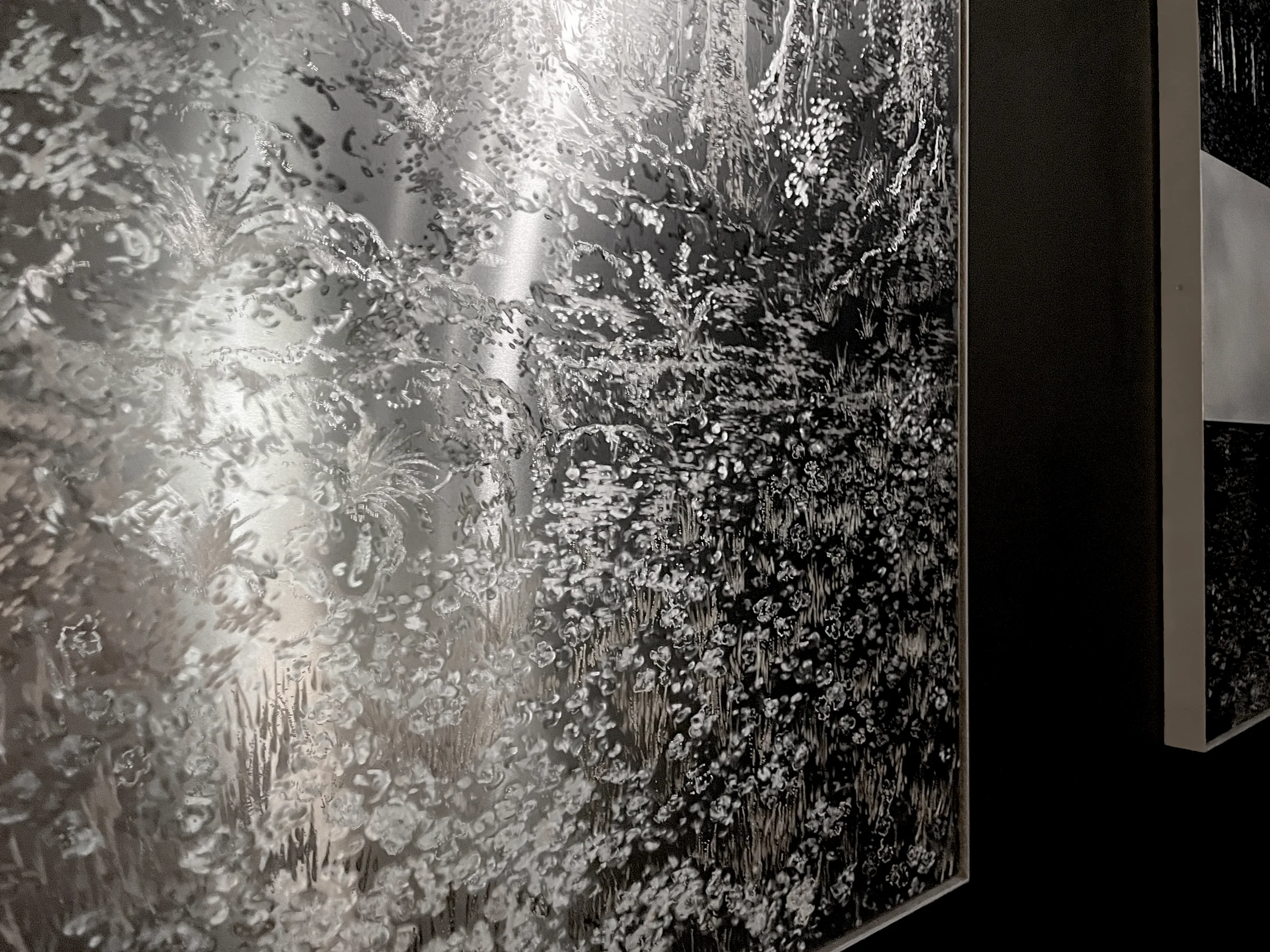
As a child, Sharon Lee repeatedly watched a VHS tape of The Wizard of Oz while learning “Somewhere Over the Rainbow” for a play. Over time, the tape began to deteriorate. In the film’s poppy field scene—where Dorothy falls into a deep sleep, interrupting her journey home—the degraded footage transformed the field into a storm of glitches, the image breaking down at a moment suspended between danger and return.
These damaged frames became a point of departure for Poppy Field, connecting childhood memory with an enduring longing for home and the instability surrounding its disappearance. Moving between media culture, political history, and personal memory, the work considers the poppy as both image and historical symbol.
The work also draws on “poppy tears,” a historical term for opium referring to the tear-like latex that seeps from cuts made into a poppy pod. Bringing together organic and industrial materials, Poppy Field explores how nature has been instrumentalized as a means of control within histories of war and imperial expansion.
Whanki Min
Unnamed Hill 2, From Here to Eternity
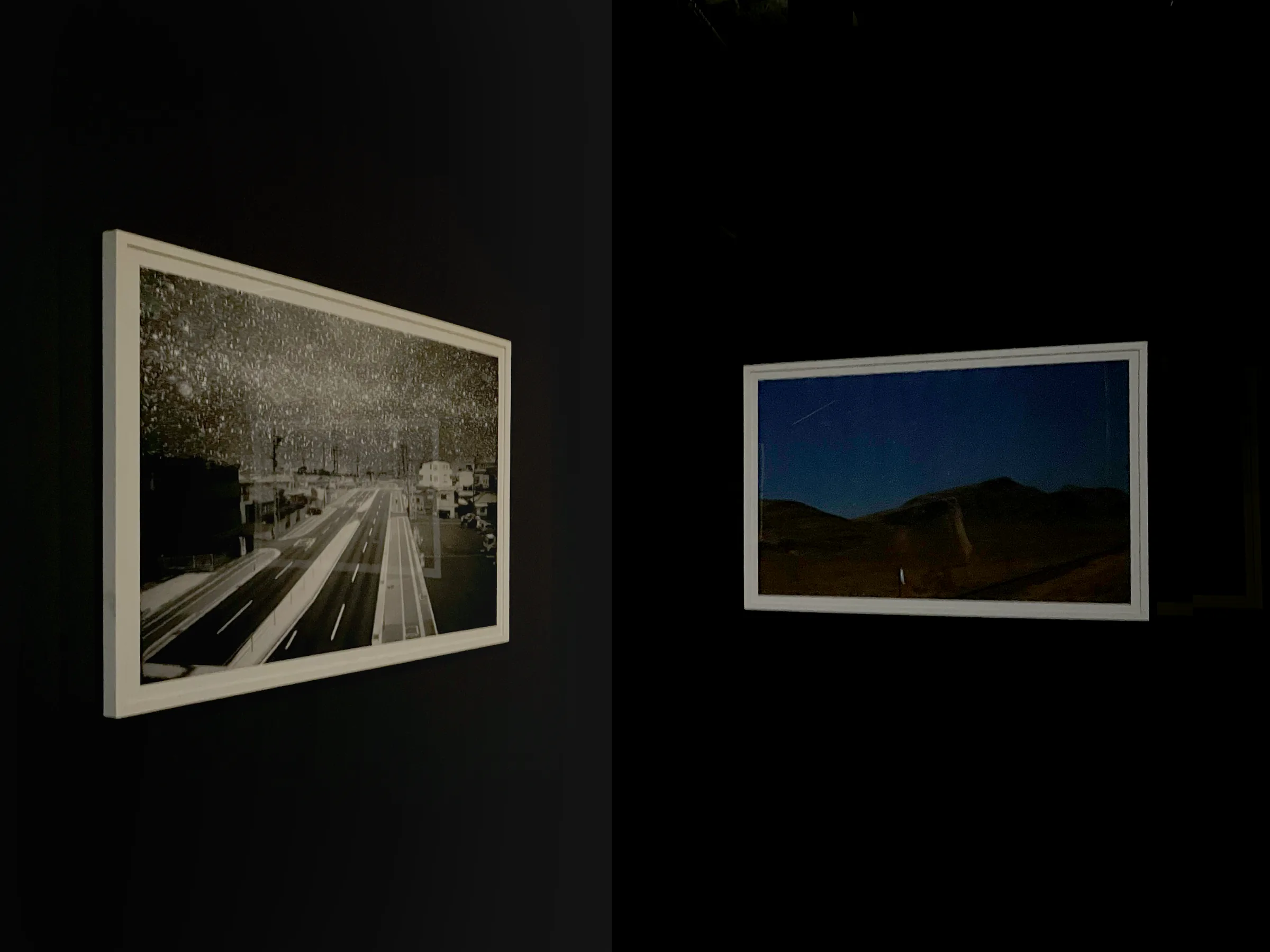
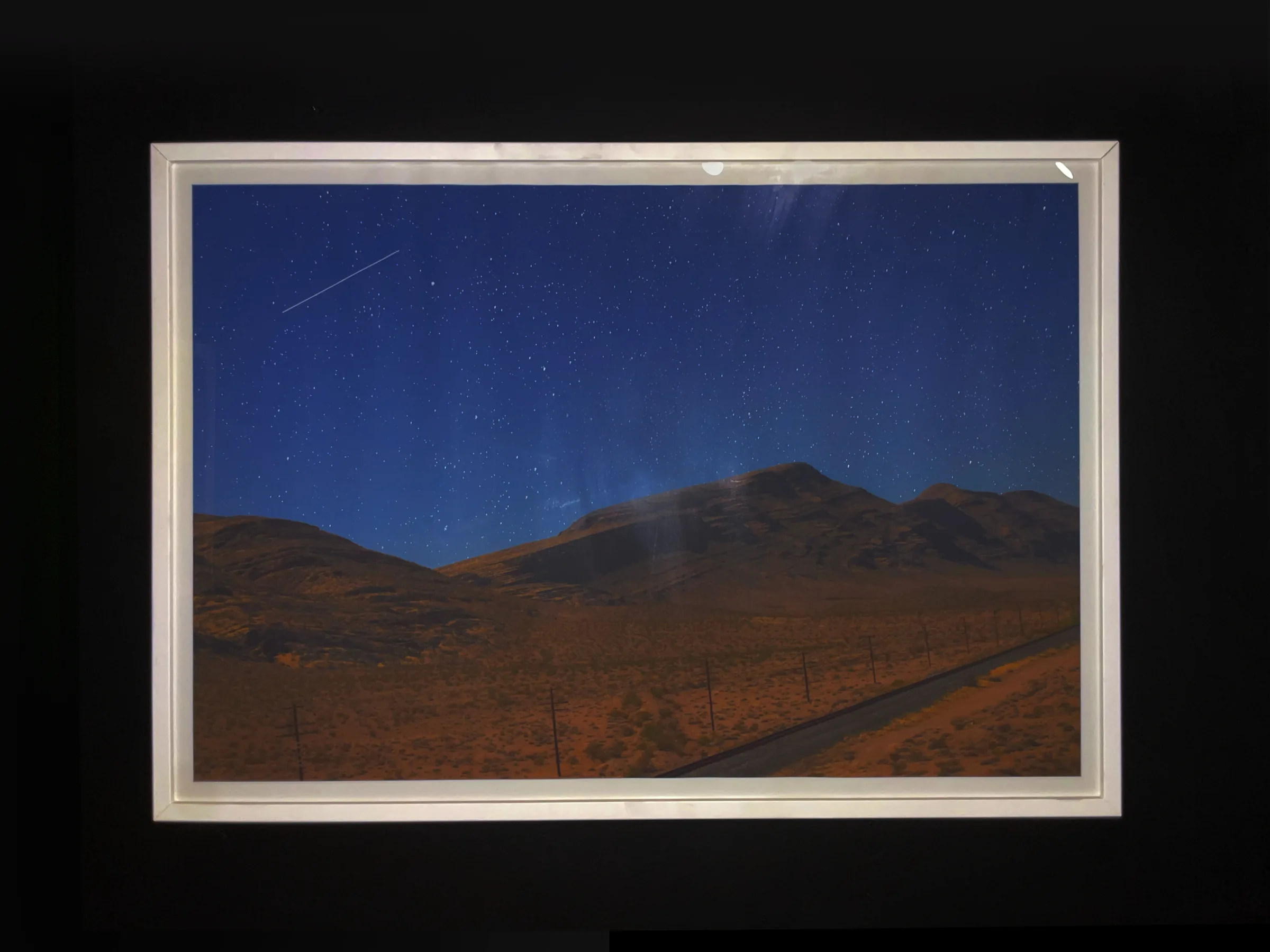
Whanki Min’s photographic practice began after the death of his closest friend in college, leading him to reflect on mortality, the afterlife, and eternity. Fascinated by stars whose light can travel for thousands or millions of years—even after the stars themselves have died—Min approaches light as both a trace of past existence and a symbol of life continuing across time. His work explores the relationship between the cosmos, nature, and ordinary human life.
Influenced by experimental Japanese photographers such as Daido Moriyama and Daisuke Yokota, Min uses unconventional film-developing techniques to create unusual colors, textures, and abstract forms. Combining astrophotography, documentary images, landscapes, architecture, and materials from his archive, he layers and rephotographs images until they begin to transform and deteriorate. Through this process, Min expands photography beyond documentation, using it to reflect on memory, impermanence, and the possibility of transformation.